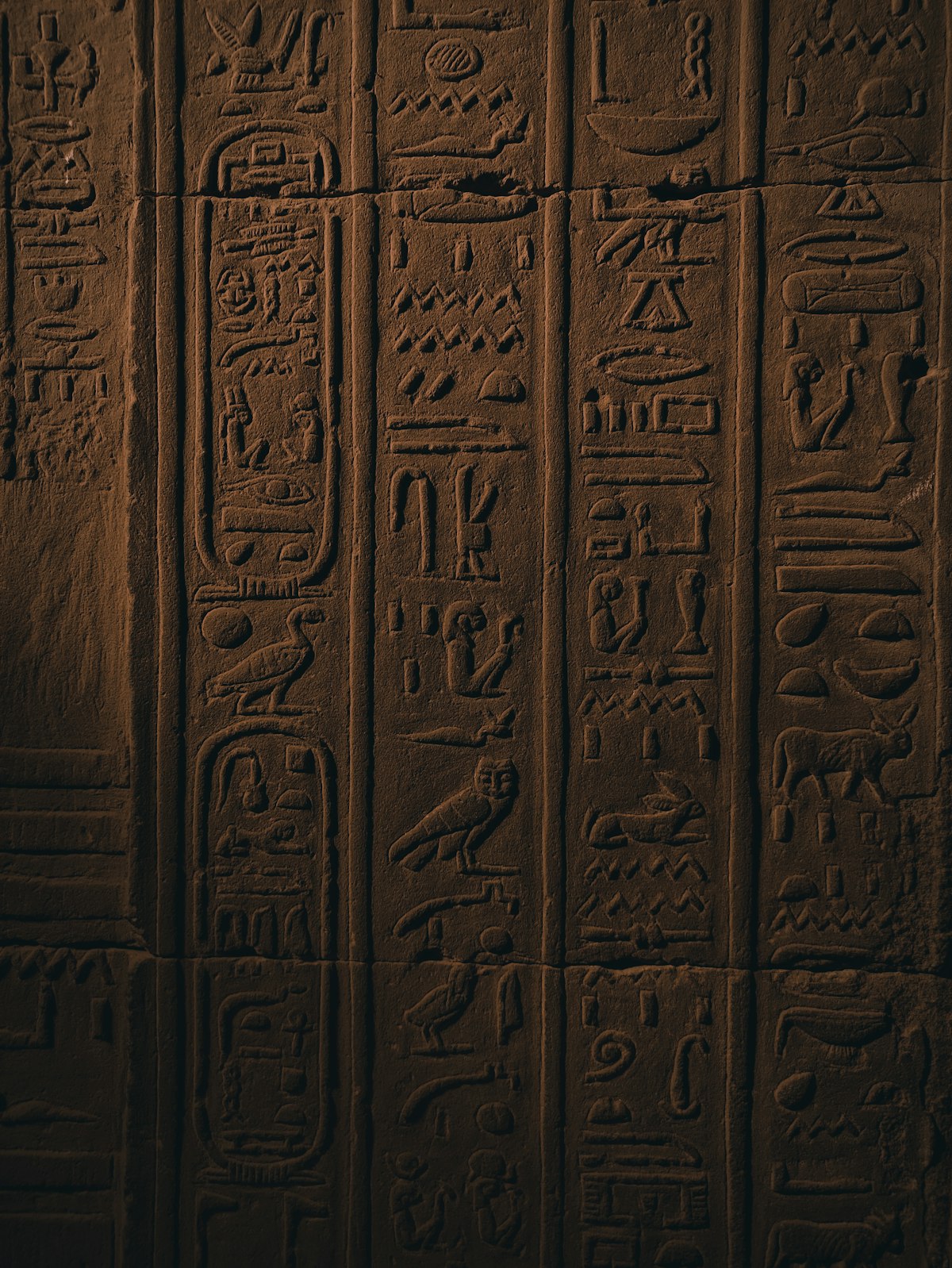
Whether you are looking at the grounds left on the walls of a coffee cup, the lines of a palm, the positions of the planets in a natal chart, or the images of a dream, you always meet the same thing: symbols. The symbol is the common language of every reading tradition, the thread that ties together practices that are otherwise very different. This guide is a general map of that language: what divinatory symbols are, how they appear across traditions, how a single one is interpreted, which symbols recur most often, and why cultural context matters enormously. As everywhere on NexusGrounds, we start from an honest premise — symbols are tools for reflection and self-knowledge, not machines for predicting the future.
What divinatory symbols are
A symbol is an image or a shape that carries meaning beyond its immediate appearance. A heart is not just a drawing but a reference to love, affection, and bonds. A road is not just a line but a reference to choices, journeys, and direction. In divinatory practices, symbols work in exactly this way: shapes that appear randomly or naturally — in the grounds, in the lines, in a dream — and that the mind uses as starting points for reflection.
The essence of a divinatory symbol does not lie in its "hiding" a fixed message, but in its power to trigger associations. When you see a bird, your mind immediately links it to freedom, to news, to flight. That link says something about you, about what concerns you at that moment. This is why the same symbol can mean different things to different people: it activates what already lives inside you, like a mirror, rather than delivering a truth from outside.
Psychologically, the phenomenon has a simple, entirely non-mystical explanation: the human brain is a pattern-seeking machine. We see faces in clouds, animals in stains, and stories in random shapes. This tendency, called pareidolia, is the very engine of any symbol reading. Divinatory traditions turned this natural ability into a structured tool for introspection.
Symbols across traditions (coffee, palm, astrology, dreams)
Each reading tradition has its own "surface" on which symbols appear, but the logic stays surprisingly similar. Here are the best known:
- Coffee reading (tasseography) — symbols emerge from the random shapes of the grounds left on the cup. A bird, a road, a tree, a heart: each becomes a question. If you want to see how this works in practice, we explained it step by step in our guide on how to read coffee grounds.
- Palm reading (palmistry) — here the symbols are not random but "fixed": the lines, mounts, and shapes of the hand are seen as a map of temperament and tendencies. The heart line, the head line, the life line become metaphors for areas of life.
- Astrology — the symbols are the planets, signs, and houses. Mars stands for energy and action, Venus for affection and values, the Moon for the emotional world. The whole natal chart is, in fact, a coherent system of symbols.
- Dreams — in dream interpretation, the symbols are the images that appear in sleep: water, flight, falling, the house. Tradition treats them as messages from the unconscious, mirrors of concerns we do not consciously put into words.
- Numerology — even numbers are symbols. Each digit carries a theme, and your numbers become an alphabet of personality.
What do all these traditions share? They use a dictionary of symbols as a starting point, but leave the final interpretation to the dialogue between the reader and their own life.
How a symbol is interpreted
Interpreting a symbol does not mean looking it up in a fixed table, as in a pocket dictionary. It means going through a few steps that take into account both the symbol and the context in which it appears:
- Identify the shape — what do you actually see? A bird, a road, a circle? Start from the concrete image, without forcing it.
- Note the traditional meaning — what does this symbol usually suggest? The bird points to news, the road to decisions. This is only the starting point.
- Add the context — where does the symbol appear? In coffee, the position in the cup shifts the nuance; in astrology, the house a planet sits in; in a dream, the emotion that accompanies it.
- Listen to your reaction — what do you feel when you see it? Your personal reaction is often the most important key, because the symbol activates something that already concerns you.
- Turn it into a question — instead of "this means I will get news," ask yourself "what news am I waiting for, and why?". This is where the real value of interpretation is born.
This method turns the symbol from a passive prophecy into an active tool for reflection. We wrote at length about refining this process in the guide on how to interpret the symbols in your own readings.
Recurring symbols and their meanings
Although each tradition has its nuances, certain symbols recur almost everywhere, with related meanings. Here are some of the most common, as a small orientation dictionary:
- Water — emotions, the unconscious, flow, change. Clear water suggests clarity, murky water confusion.
- The bird — news, freedom, thoughts that "take flight". High up, good news; low down, delays.
- The road or path — choices, direction, a decision to make. A straight road suggests clarity, a branching one a crossroads.
- The tree — growth, roots, stability, family. Often a reference to what supports you.
- The heart — relationships, affection, desires. Ask which bond is asking for your attention.
- The circle — wholeness, a closed cycle, completion or, on the contrary, a repetition you want to break out of.
- The eye — attention, awareness, the sense of being watched or of seeing more clearly.
- The serpent — transformation, tension, renewal; an ambivalent symbol, never simple.
Remember that this little dictionary is a compass, not a law. The real meaning of a symbol is always born where tradition meets your concrete life.
The role of cultural context
No symbol floats in a vacuum: it is surrounded by a culture that gives it nuance. The owl, for instance, means wisdom in the Greek tradition, but was seen as a sign of misfortune in other cultures. White is the colour of joy and weddings in the West, but the colour of mourning in several Asian cultures. The same symbol, two different languages.
This is why, when you interpret a symbol, it is worth asking which tradition the dictionary you are using comes from, and what that symbol means in your own culture and your own biography. A dog can mean "loyal friend" to someone raised among animals and something quite different to someone who was bitten in childhood. Personal context is, in the end, the last and most important layer of meaning.
This cultural dimension is fascinating in itself. We devoted a whole guide to the way the same images travel between civilisations in the article on universal symbols and what they mean across cultures.
The conclusion is simple and honest: a dictionary of symbols is an excellent starting point, but not an oracle. Use it to ask yourself better questions, let context and intuition fill in the rest, and if you want to explore your own symbols in a guided reading, discover the NexusGrounds services and choose the practice you feel drawn to.